
A cardboard box becomes a spaceship. A wooden spoon transforms into a magic wand. Teddy bears gather for afternoon tea while a blanket becomes a cosy cubby house. To adults, these moments may simply look like play. For children, they are opportunities to explore ideas, understand experiences and discover how the world works.
Imaginative play is one of the most valuable ways children learn during their early years. As they invent stories, experiment with ideas and take on different roles, they develop the social, emotional, language and thinking skills that support future learning and wellbeing.
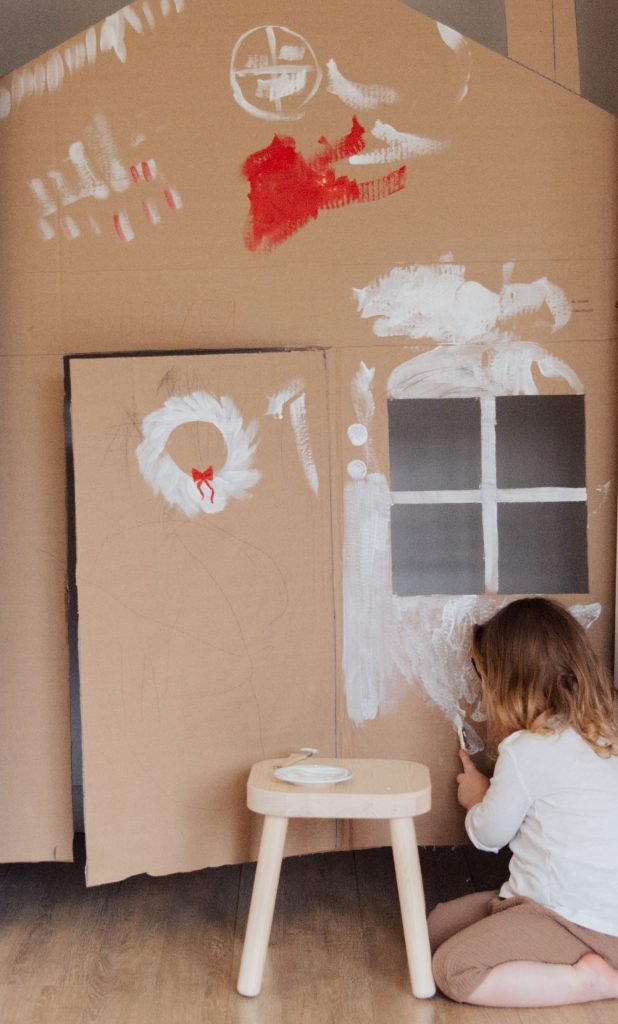
When children pretend to be a firefighter, doctor, parent or teacher, they are doing far more than copying what they have seen. They are exploring different perspectives, learning about relationships, and beginning to understand how people think, feel and respond in everyday situations. Pretend play also provides a safe way to explore new or unfamiliar experiences. A child might recreate a visit to the doctor, prepare an imaginary family dinner or organise a supermarket shop. Acting out these everyday moments helps children process emotions, build confidence and develop a greater sense of familiarity with the world around them.
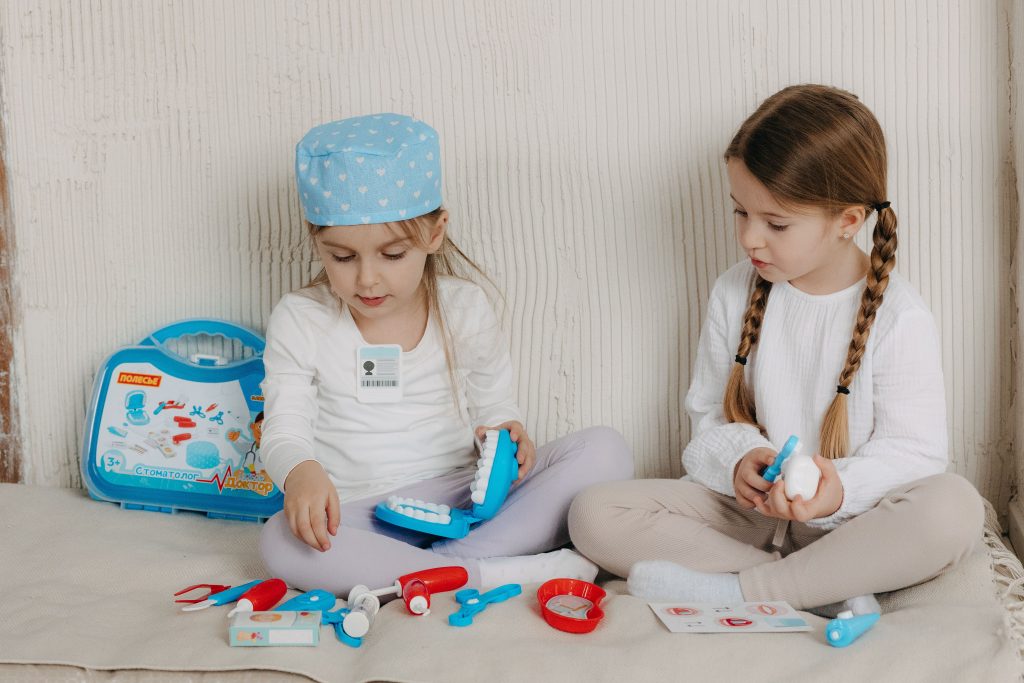
Every imaginative adventure offers meaningful learning opportunities that support a child’s overall development.
Creating stories, asking questions and negotiating roles naturally expands vocabulary while strengthening conversation and listening skills.
Playing with others encourages cooperation, turn-taking, negotiation, and an appreciation of different perspectives as children learn to work together.
Whether they are building a castle, running a café or solving a mystery, children learn to plan ahead, make decisions, adapt their ideas and solve problems creatively.
Open-ended play encourages curiosity and flexible thinking. It allows children to express their ideas, explore possibilities, and discover that there are many ways to solve a problem.
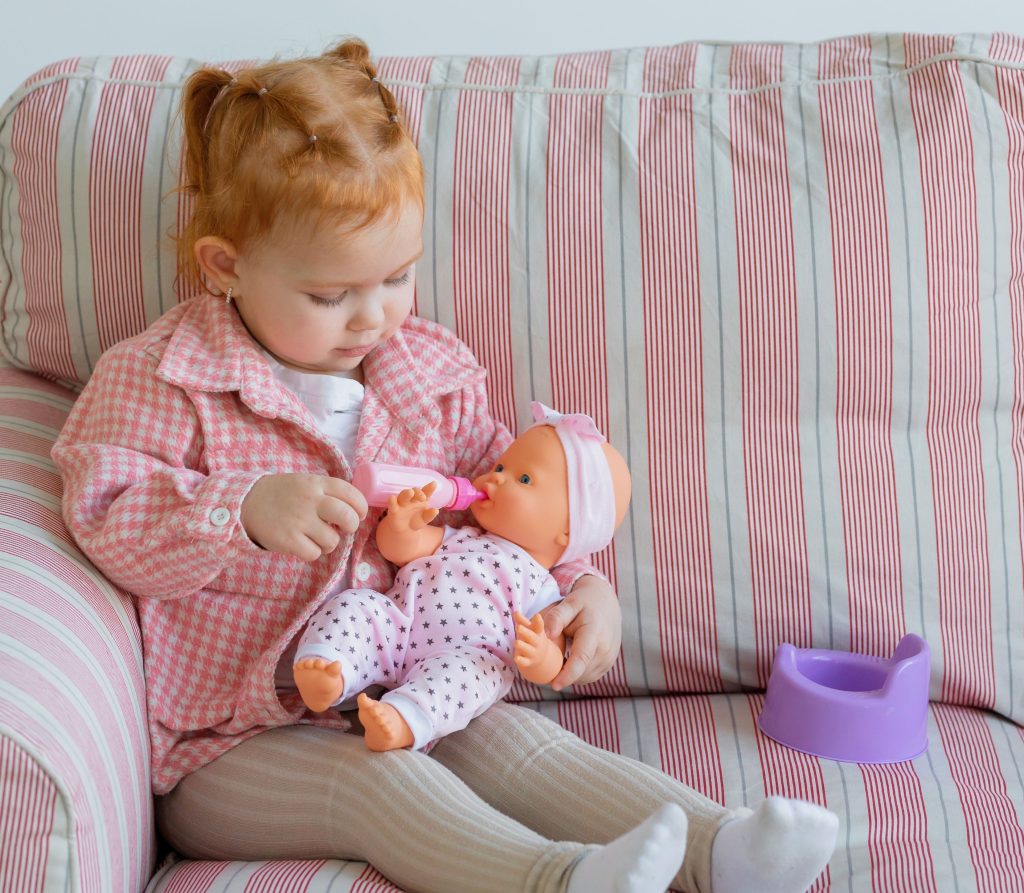
Every child develops at their own pace, but imaginative play typically becomes more sophisticated as they grow.
Children begin by imitating familiar everyday actions. They may pretend to drink from an empty cup, brush their hair, cuddle a doll or talk on a toy phone. At this stage, learning happens through observation and imitation.
Pretend play becomes more purposeful as children begin linking actions together, such as feeding a doll before putting it to bed or pretending to prepare a meal. They are beginning to understand routines and simple sequences.
Children start assigning roles to themselves and others while everyday objects take on new meanings. A block becomes a mobile phone, and a cardboard box transforms into a racing car as simple storylines begin to emerge.
Play becomes increasingly collaborative. Children negotiate roles, build stories together and begin considering different perspectives, strengthening both their social skills and emotional understanding.
Older preschoolers create rich imaginary worlds with detailed characters, adventures and rules. They confidently collaborate with peers, solve problems together and communicate increasingly complex ideas through play.
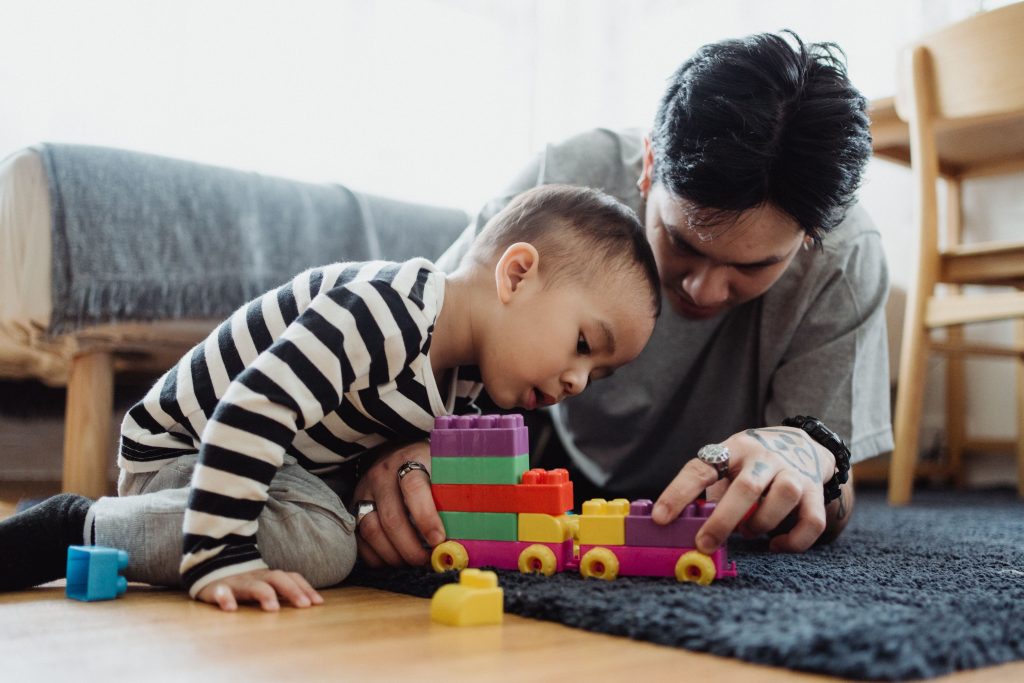
Encouraging imaginative play doesn’t require expensive toys or elaborate playrooms. In fact, children often create their best ideas using simple, everyday materials.
Choose materials that can become many different things rather than toys with a single purpose. Cardboard boxes, blankets, cushions, dress-ups, wooden blocks and natural treasures like sticks or leaves invite endless possibilities.
Children’s imagination flourishes when they have uninterrupted time to become absorbed in their ideas. Try to create opportunities where they can explore freely without feeling rushed or directed.
When your child invites you into their world, let them take the lead. Whether you’re ordering lunch at their café or visiting their pretend veterinary clinic, following their ideas helps strengthen connection while encouraging deeper play.
Thoughtful questions can extend children’s thinking and enrich their play. “Where is your spaceship travelling today?”, “What’s on the menu today?”, “The baby is crying, what do you think they need?” These simple conversations encourage children to explain their ideas, build language, and think creatively.
Imaginative play is how children explore, experiment, and make sense of the world around them. Whether they’re hosting a teddy bears picnic, sailing across the ocean in a cardboard boat or creating worlds entirely of their own, every make-believe adventure helps shape resilient, compassionate and curious young learners. By giving children, the time, space and freedom to imagine, we’re nurturing skills that will support them throughout childhood and well into the future.


We nurture the full potential of tomorrow’s leaders through early education and purposeful play.


Acknowledgement of Country
Little Leo’s acknowledges the Traditional Custodians of the land and Country and pay our respect to their elders past and present and emerging.
Monday to Friday
from 7:00 am to 6:00 pm.


 Book A Tour
 Join The Pack
 1300 33 5367
 Subsidy Calculator
 1300 33 5367
  hello@littleleos.com.au