
Dropping your child off at childcare for the first time can feel like stepping onto an emotional rollercoaster. Tears and hesitant goodbyes. It may not seem like it, but this stage is a natural part of your child’s emotional growth, and there are gentle ways to help both of you feel secure and confident.
Separation anxiety is simply your child’s way of showing how deeply they love and rely on you. It’s a natural part of early childhood where being apart from parents or primary caregivers feels stressful or upsetting. It most often shows up between 6 months and 3 years, though it can appear or resurface at different times.
Children express separation anxiety in different ways; some cry, some cling tightly, some resist letting go, and some even develop tummy aches or other physical discomfort when facing separation. Every child is unique in how they show their feelings, and every reaction is valid.
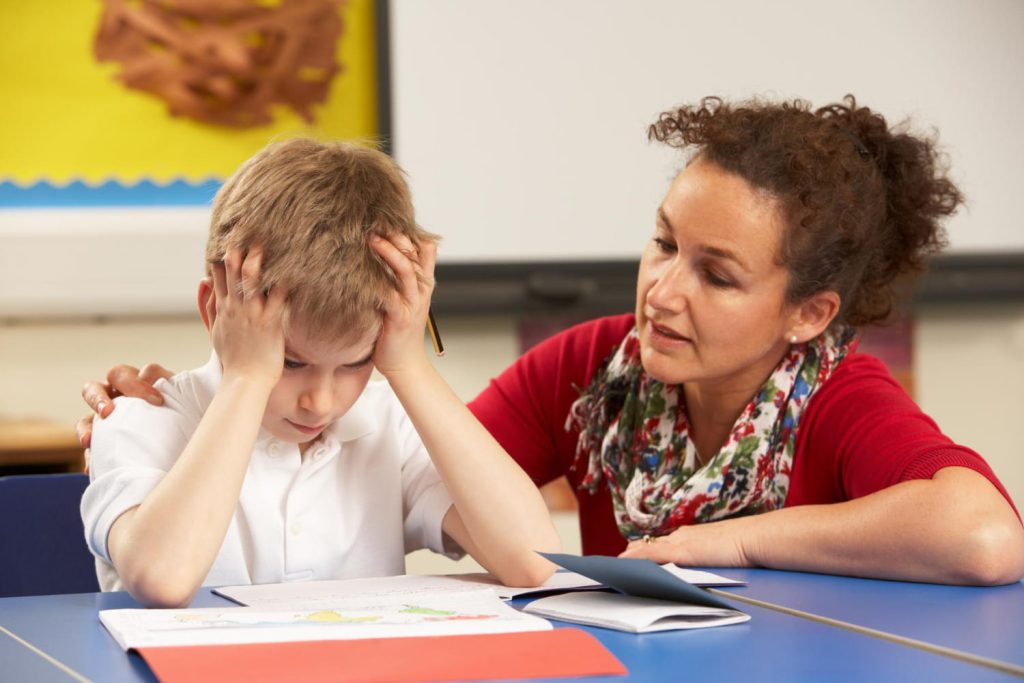
Separation anxiety happens because your child is forming a strong, healthy attachment to you. Your presence is their safe place, and being apart can feel scary. Separation can occur when your child starts childcare, welcomes a new sibling, or is not feeling well or teething.
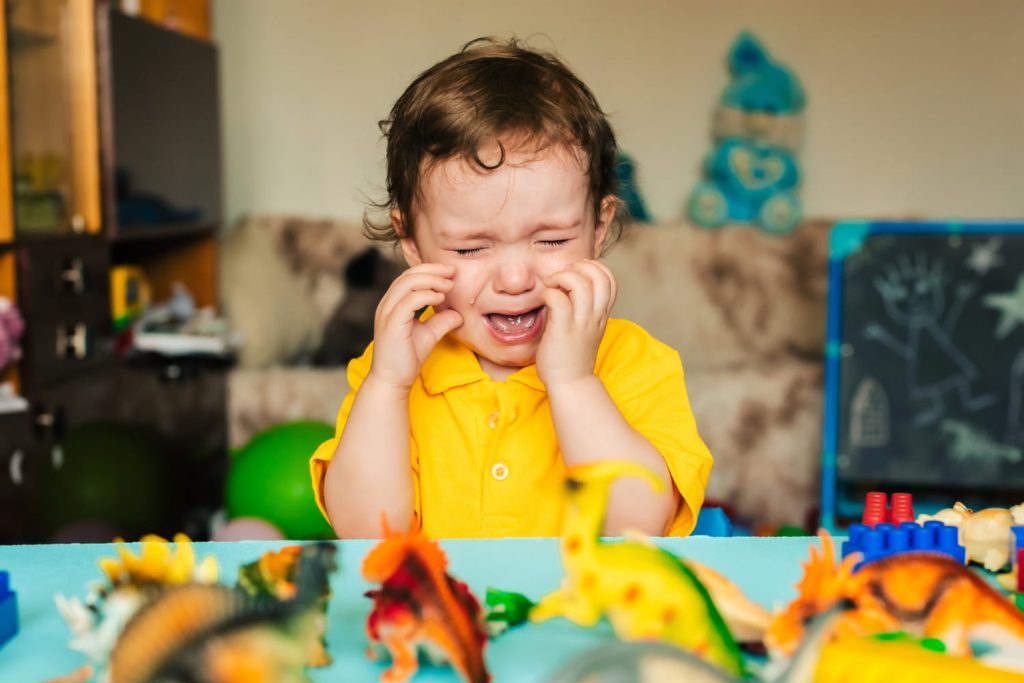
Here are some gentle strategies to make separations easier for both of you:
Begin with small, predictable separations, like leaving your child with another person for a few minutes. Slowly extend the time as your child grows more comfortable.
A special hug, kiss or wave can give your child a predictable, comforting signal: “I’ll be back soon.” Familiar routines bring reassurance and security.
Children react to your emotions. Showing calm and confident goodbyes during drop-offs provides a sense of safety and trust.
Lingering can heighten anxiety. A brief, loving goodbye reassures your child and allows them to settle more easily.
A small toy, blanket, or family photo can serve as a tangible reminder that you’re always nearby.
Separation anxiety is a normal and temporary stage in your child’s emotional development. With patience, consistency, and gentle reassurance, your child will learn that you always come back to them with your arms open ready for a cheerful and joyful hello.


We nurture the full potential of tomorrow’s leaders through early education and purposeful play.


Acknowledgement of Country
Little Leo’s acknowledges the Traditional Custodians of the land and Country and pay our respect to their elders past and present and emerging.
Monday to Friday
from 7:00 am to 6:00 pm.


 Book A Tour
 Join The Pack
 1300 33 5367
 Subsidy Calculator
 1300 33 5367
  hello@littleleos.com.au